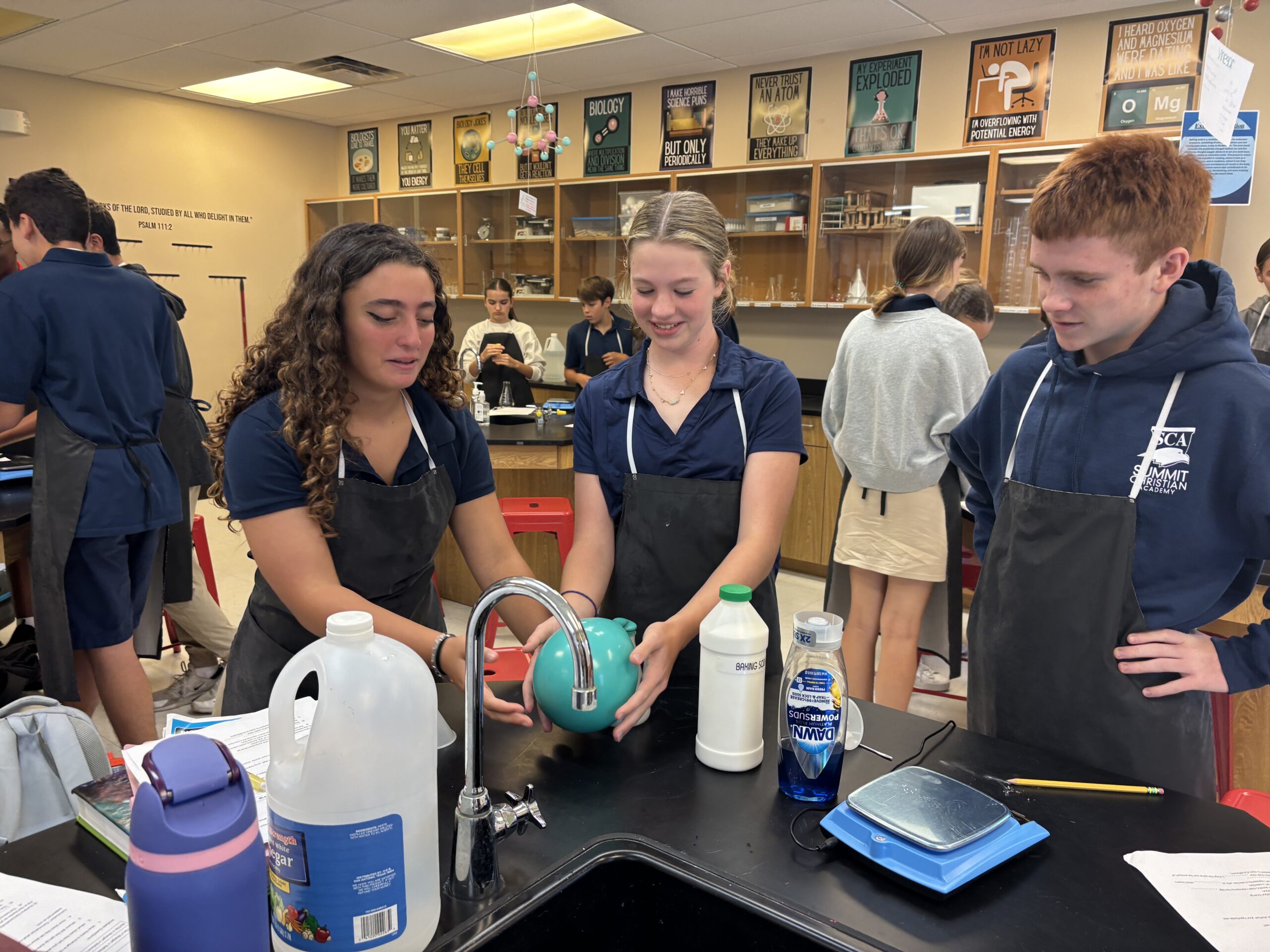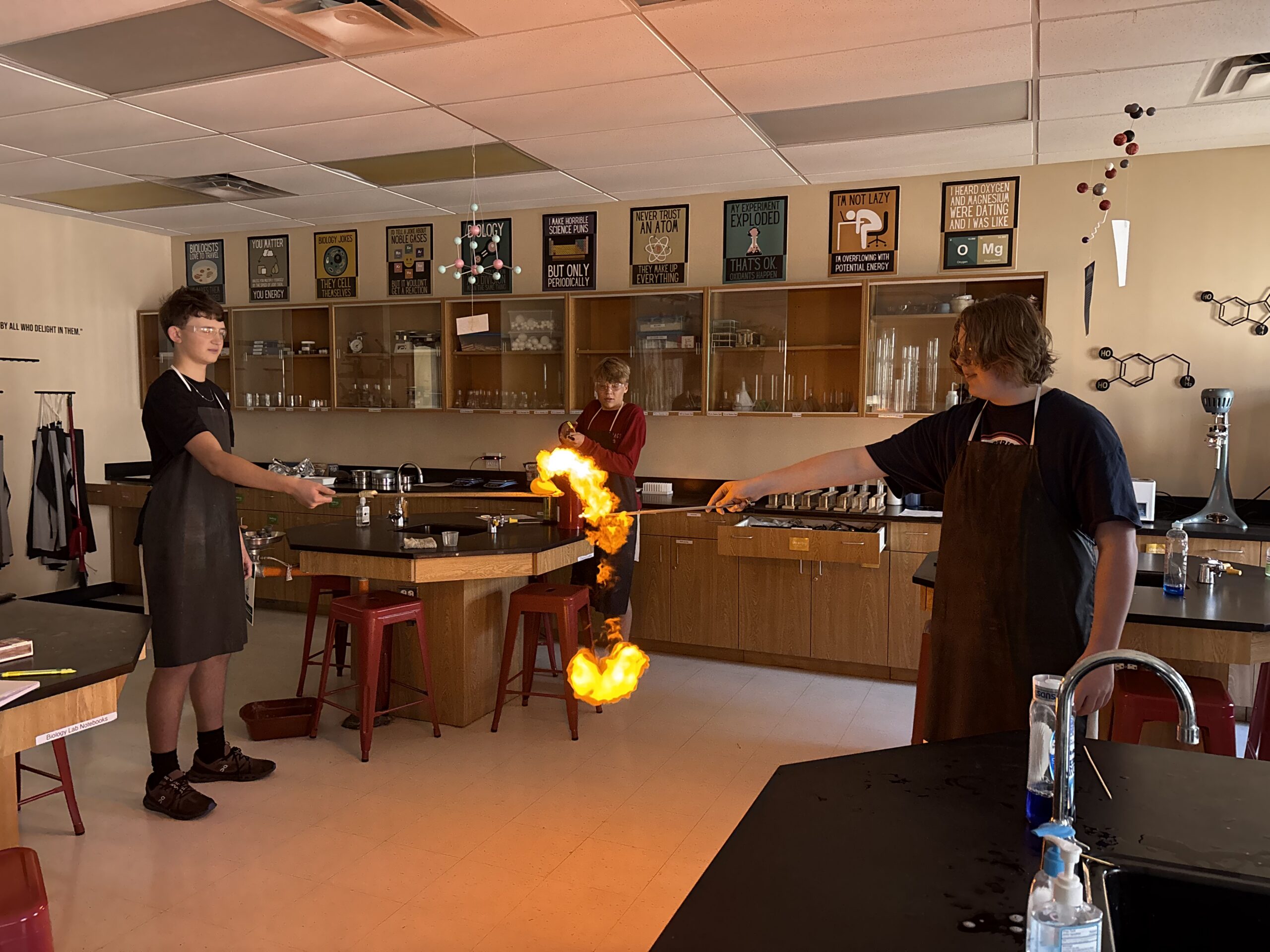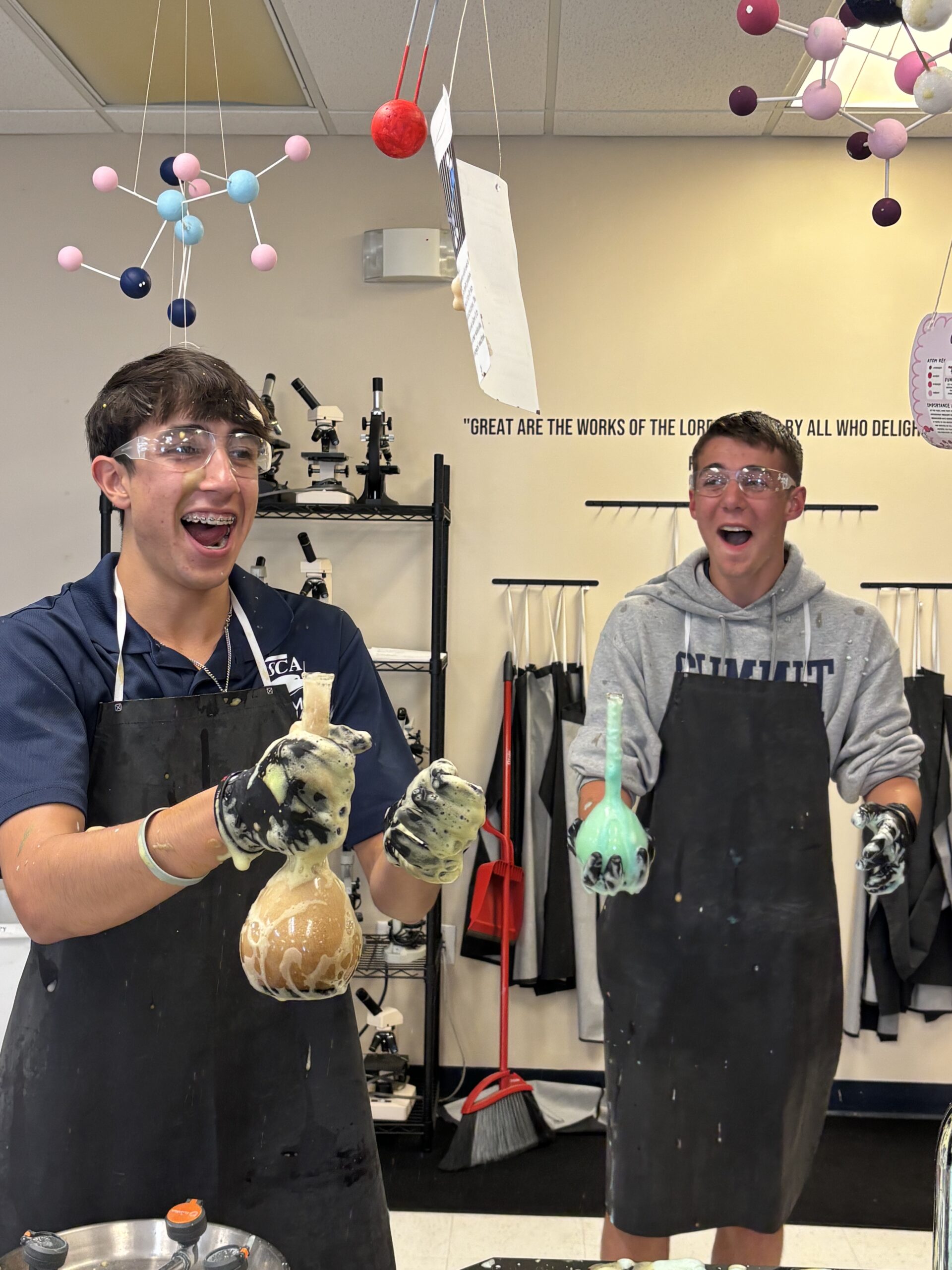

Science education at Summit Christian Academy goes far beyond textbooks. Through hands-on learning, innovative technology, and personal instruction from experienced teachers, students are discovering how science can be used to prepare for their futures.
Secondary Science Teacher Mrs. Arcas (White) shared, “The biggest goal for my students is to make them lifelong learners that care about creation and LOVE science. I want them to see that through science, we are able to help other people and be the salt and light of the Earth.”
Small class sizes at SCA allow teachers to personally invest in students while creating intentional experiences in the classroom. Students regularly interact with professionals in the community, including local meteorologist Kristin Currie, who partnered with students after they studied the school’s weather station and created their own weather forecast videos.
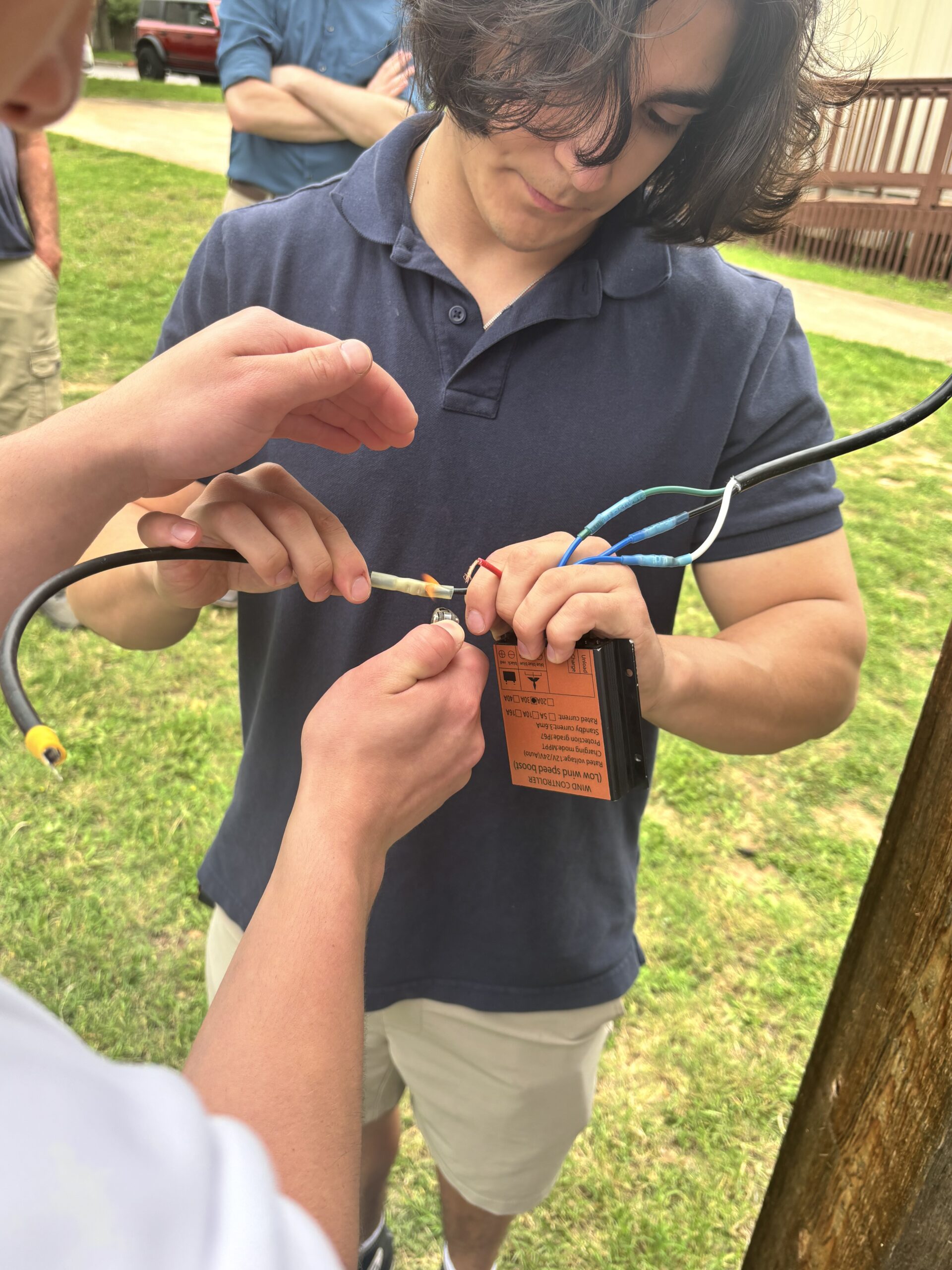
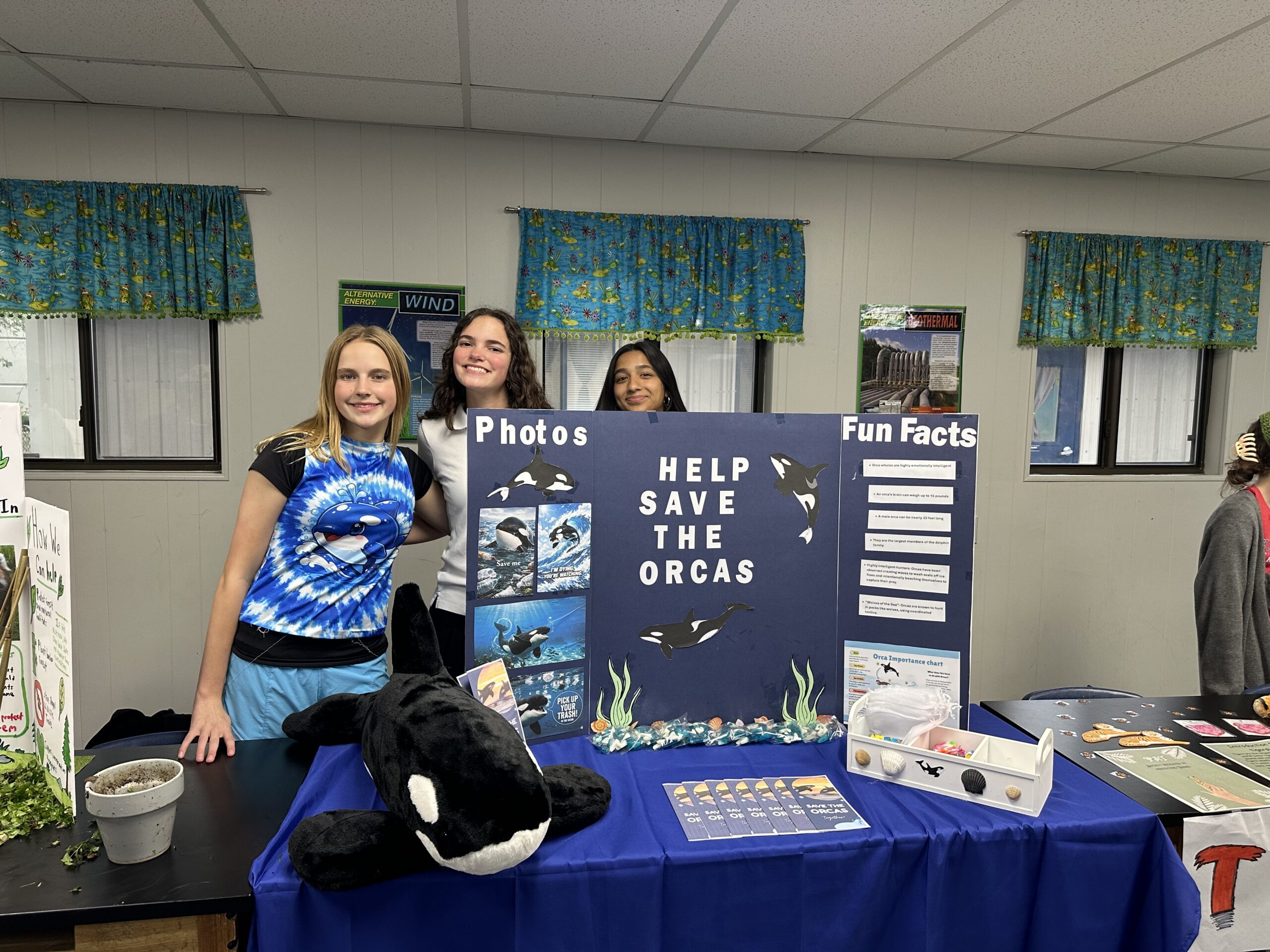
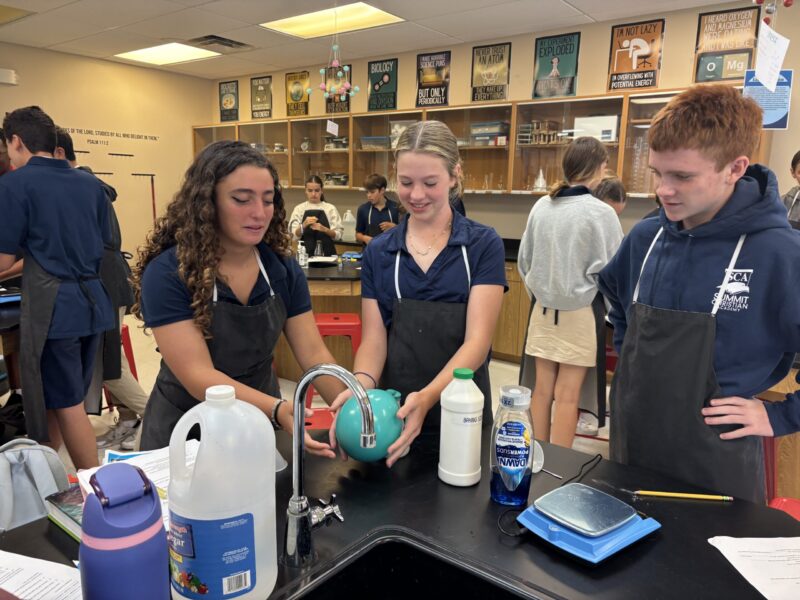
Science at SCA is rooted in experiential learning. Students build rockets during space units, explore medical science concepts that have inspired internships, and study engineering and renewable energy through campus technology, including solar panels and wind turbines. Lessons will often connect science to public policy, art, finance, culinary skills, and service opportunities.
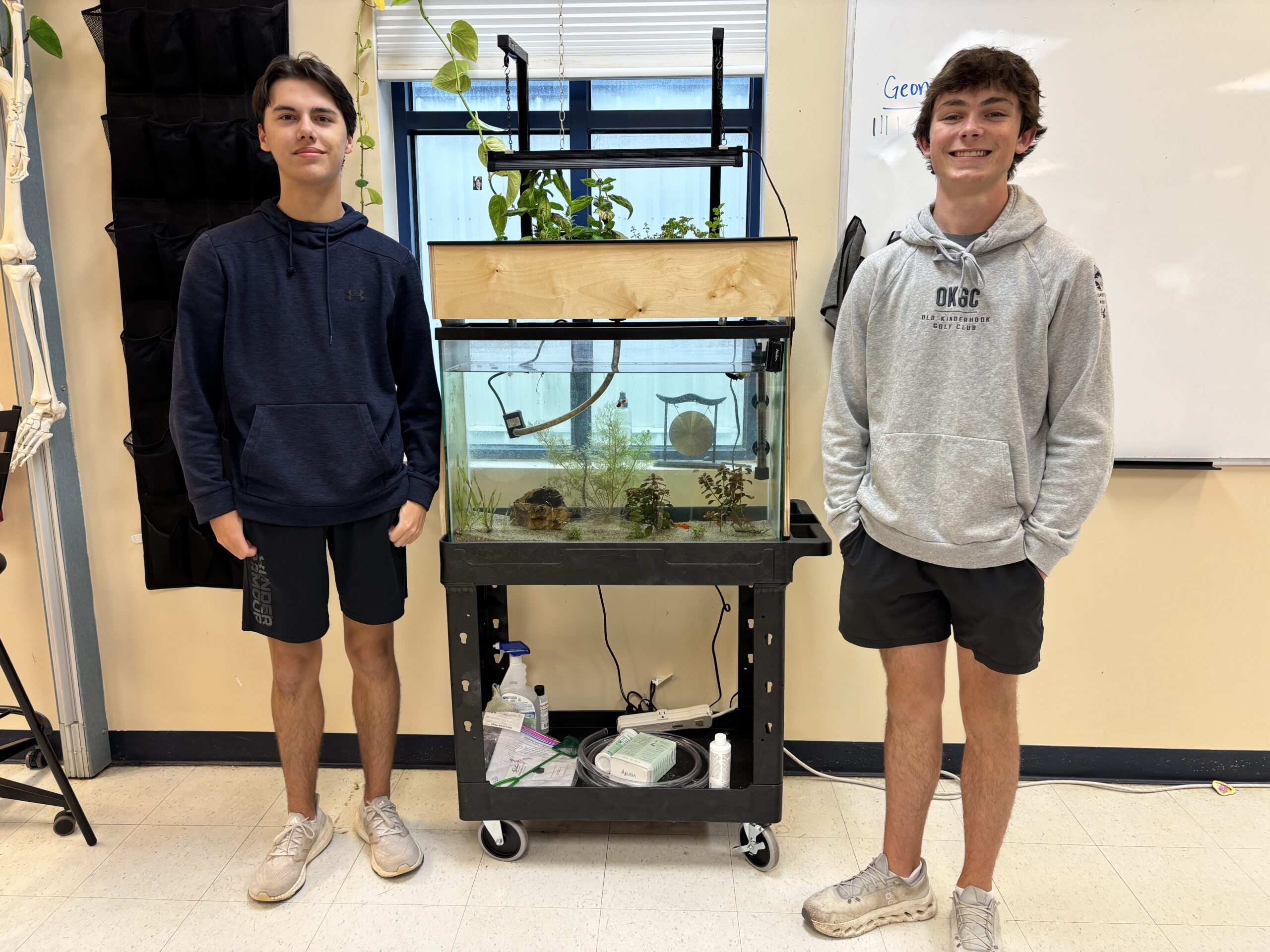
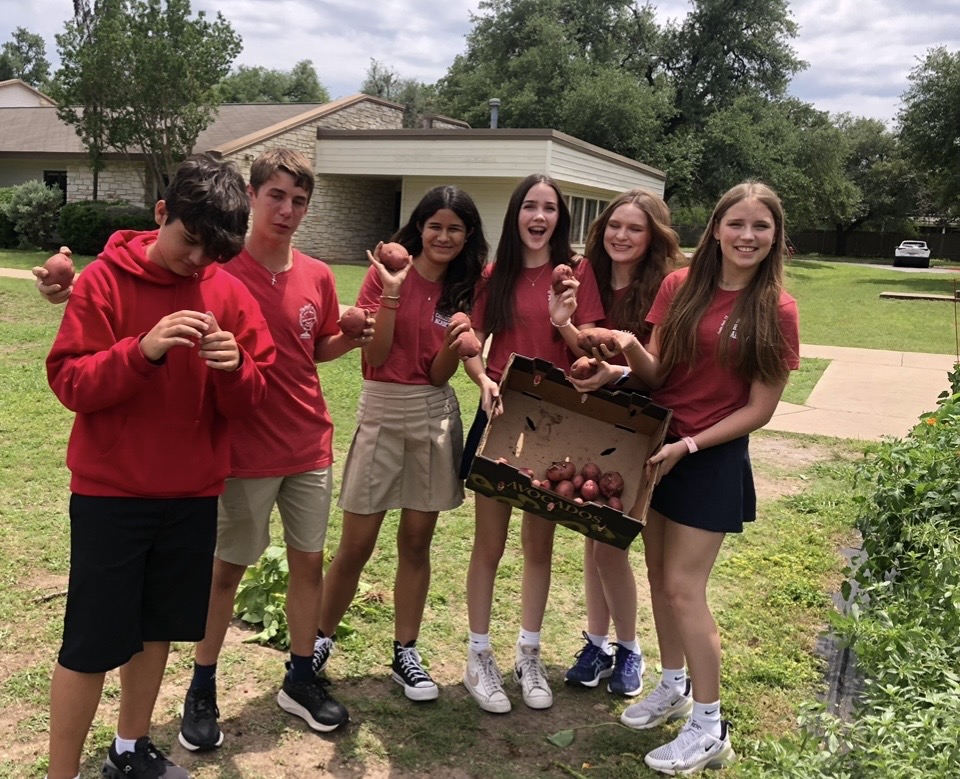
Environmental stewardship is a major focus of both the middle school science program and Mrs. Tapperson’s Environmental Science classes. Students maintain four organic raised garden beds that provide herbs and vegetables for the school cafeteria, while the first harvests are donated to a local food pantry. The gardens are sustained using collected rainwater and student-produced compost.
SCA’s environmental science initiatives give students hands-on experience with real-world renewable energy systems. The school’s rainwater collection system can capture thousands of gallons of water annually to support the gardens, and the composting program diverts hundreds of pounds of food each year through a partnership between Environmental Science students, National Honor Society, and the cafeteria.
Students actively study renewable energy through a campus wind turbine and a student-led solar energy station powered by a 400-watt photovoltaic panel and an EcoFlow battery system. These tools allow students to use clean energy in practical ways while learning how renewable systems work together to provide sustainable power.
“My favorite thing is when parents say students are sharing knowledge from science class at home,” Mrs. Arcas shared. “That promotes multigenerational learning.”
At SCA, science education inspires students to understand and impact the world around them.